

Core Members

Chris’s research includes work on criminal justice, punishment and alternatives to punishment; as well as topics in moral psychology, such as moral emotions, blame and forgiveness.

Megan’s research concerns global justice and the environment, focusing on the ethical and political dimensions of climate change.

Ryan’s current research includes work on the character trait of others-centredness, the virtues of the intellectually dependable person, and the collective character traits of religious congregations.

Jim’s research includes work on metaethics, moral psychology, and philosophical issues arising from doing philosophy in prison. On behalf of the University of Sheffield and the charity Philosophy in Prison, Jim has led 31 philosophy sessions in two Category B prisons. He is interested in how we might learn from the philosophical insights of marginalised people, including those in prison.

Delphine is developing a phenomenological approach to animal ethics, drawing on the work of Levinas and Løgstrup. Rather than using capacities such as sentience to determine which animals should be included within a moral framework, she offers a Levinasian understanding of ethics opened up by our proximity to a vulnerable Other who places a demand upon us. Delphine’s interests include animal ethics, phenomenology, Hegel, normative ethics and animal cognition.
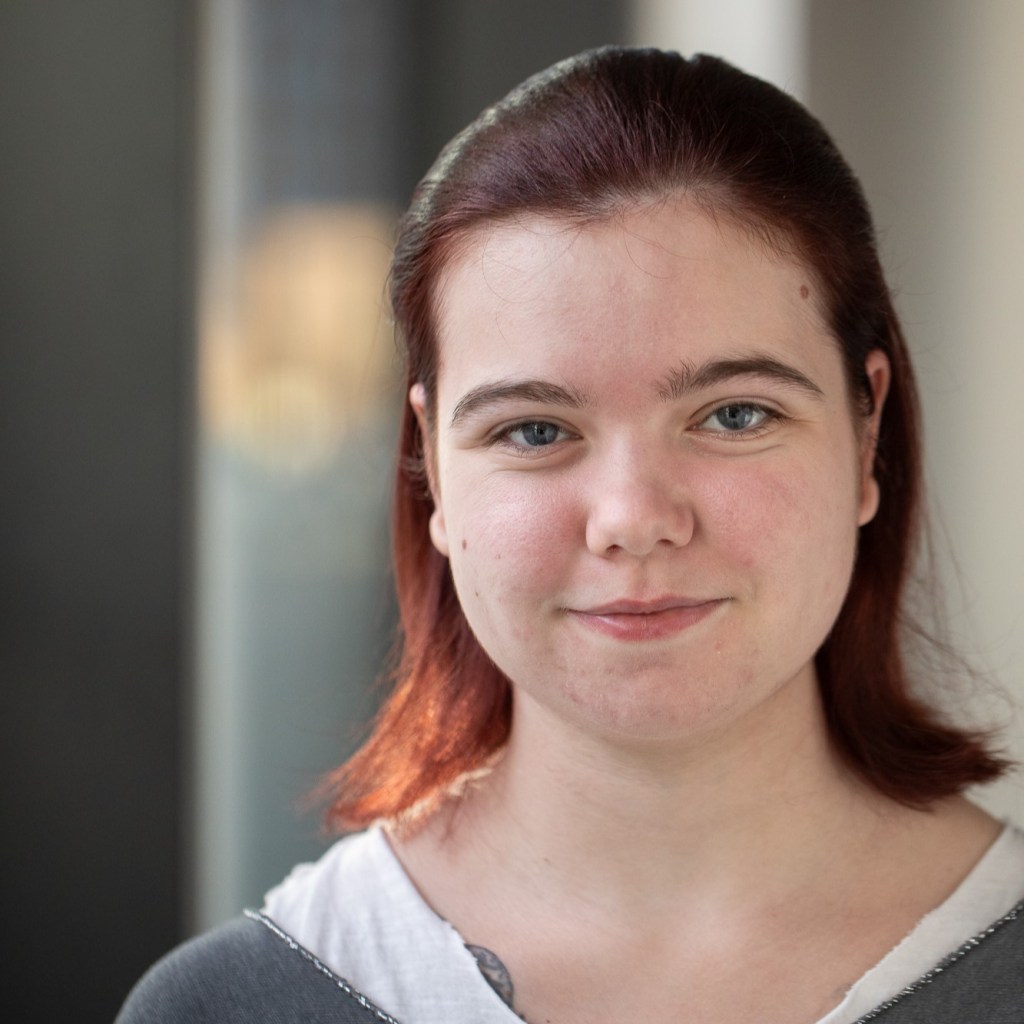
Onyx is a WRoCAH funded PhD student working in philosophy of sex and queer theory, with a focus on asexuality. Her research focuses on bringing asexual theory into dialogue with philosophy of sex by asking what epistemologies inform discussions around sexual orientation and what is missing from these conversations. Her method is to establish an asexual epistemology to assess the
knowledge gap between asexual theory and philosophy of sex. She is interested in how reframing these epistemologies may impact research areas beyond philosophy.
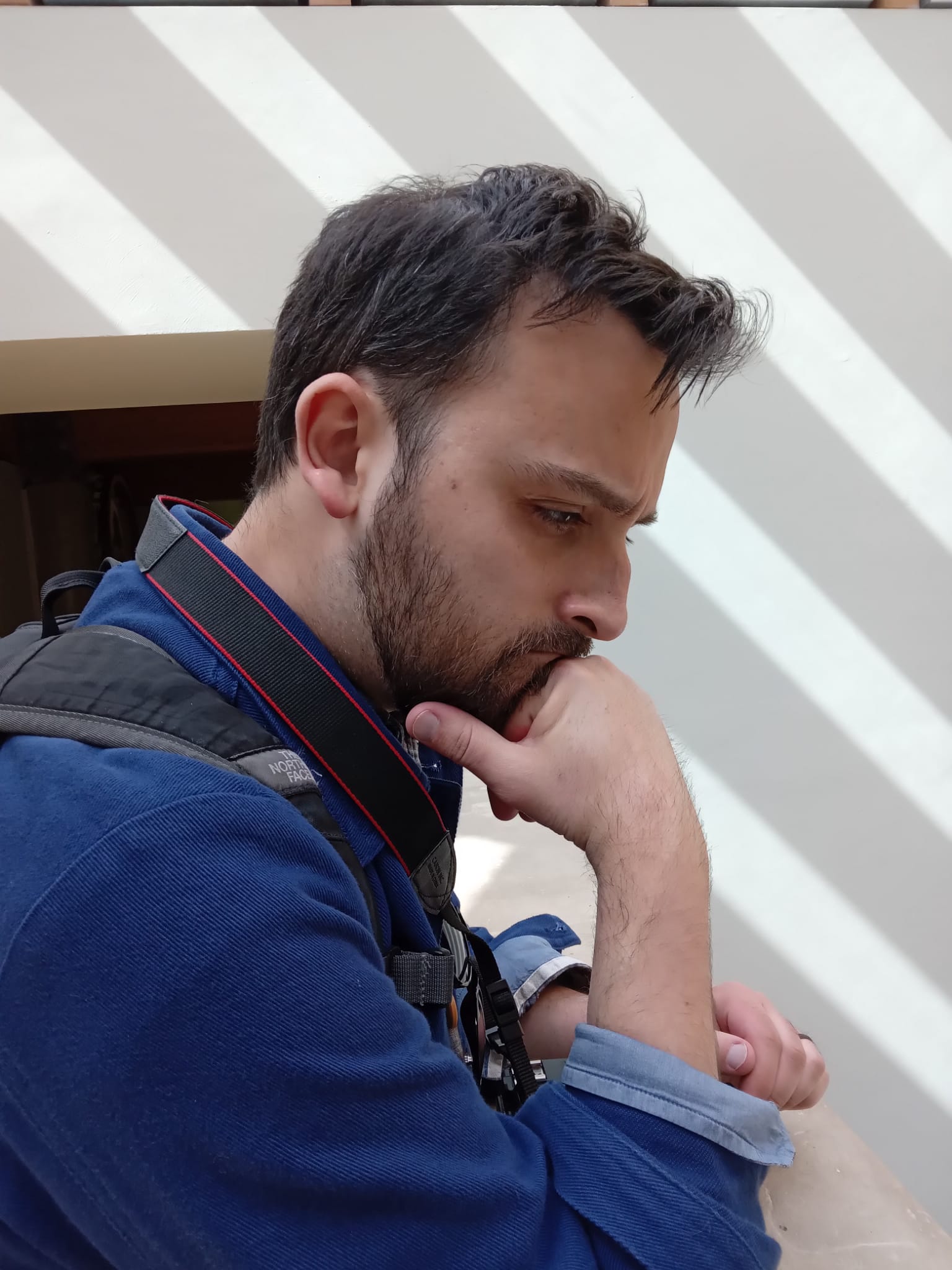
Ben works on the ethics and politics of health. Past and current projects include discrimination in resource allocation, the role of responsibility in medicine, and how democratic our health care system should be. He is also interested in animal ethics.
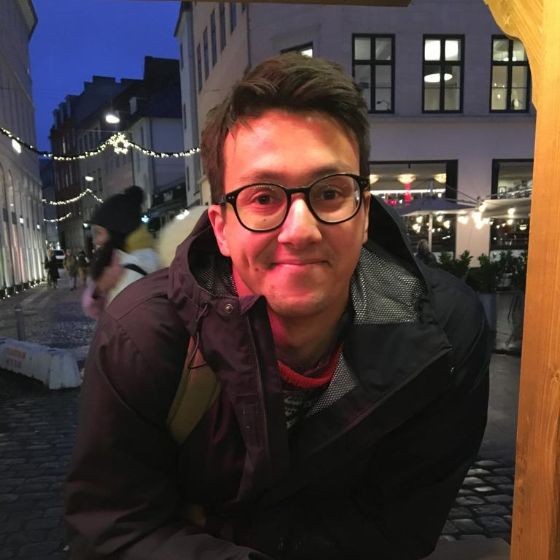
Håkon’s research includes developing a model of earthbound philosophy, aesthetics, phenomenology, philosophy of nature and philosophy of law. Recent work explores 1) the intersection between and legal practice and embodied phenomenology, and 2) new materialist interpretations of philosophical practice.

Co-Director
Josh’s research focuses on the value of democratic deliberative norms and practices. His most recent research pays special attention to the democratic value of higher education.

Max works on ethics, metaethics and moral psychology. At the moment he is particularly interested in co-operation, trust, and empathy, and the way that these shape the political domain.

Joseph is a PhD student working in political philosophy, primarily on territory. He is particularly interested in the nature and value of collective self-determination, attempting to explain how states can embody their citizenry’s collective will and why this is necessary for territorial rights.

Co-Director
Jules’ research focuses on ways that our cognitions are influenced by, and complicit in, injustices that track social identity, such as gender and race. Their recent work has focused on implicit bias, inclusive language, and oppressive praise.

Nan is a PhD student whose work focuses on theories of climate justice, with particular attention to questions concerning their feasibility and practical implementation. He is funded by the Sheffield – China Scholarships Council PhD Scholarship programme.
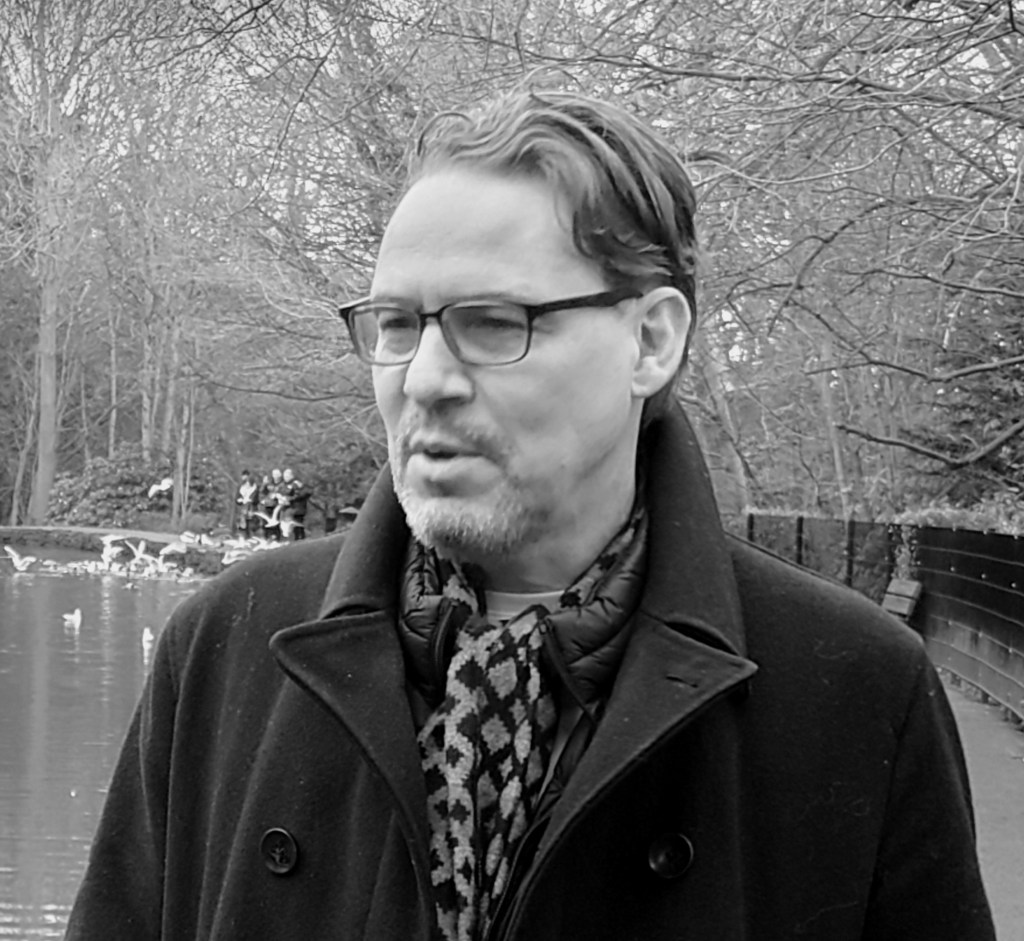
Hallvard studies the interpretation and criticism of contested ideas in moral and political thought, such as ‘reason’, ‘objectivity’, ‘autonomy’, ‘impartiality’, ‘indifference’ and ‘responsibility’. He is particularly interested
how these categories apply to institutions such as government or healthcare.

CM’s research focuses on ethics and political philosophy. He is currently focusing on political resistance and public commemorations. He has also written on topics in disability and medical ethics.

Eric has written on the possibility of life after death, what makes it bad to die, and the metaphysics of transhumanism and artificial intelligence.

Faye is a PhD student at The University of Sheffield researching social norms and how they prevent marginalised people from seeing resistant actions as do-able. Her research is funded by WRoCAH.

Komarine works in phenomenology. She has two current research projects: one is on the nature of habit, which she is exploring in clinical settings; the other is concerned with issues of power and communication between different cultures.

Yonatan’s research includes work on what trustworthiness requires in discretionary circumstances, i.e., circumstances in which what one has been entrusted with was not well defined, and on whether re-understanding the nature of disagreement would affect our approach to conflict resolution.
Yonatan is also the co-coordinator of Philosophy in the Showroom.
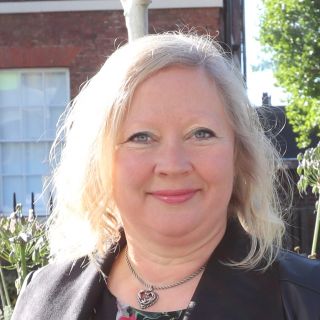
Minna’s work is interdisciplinary and informed by social sciences, as she examines identity and prejudice, particularly in the areas of gender, sexuality, ethnicity, and religion. She is especially interested in ethnography, lived religions and analysis of real life questions that matter to feminists, LGBTQ communities and ethnic minorities.
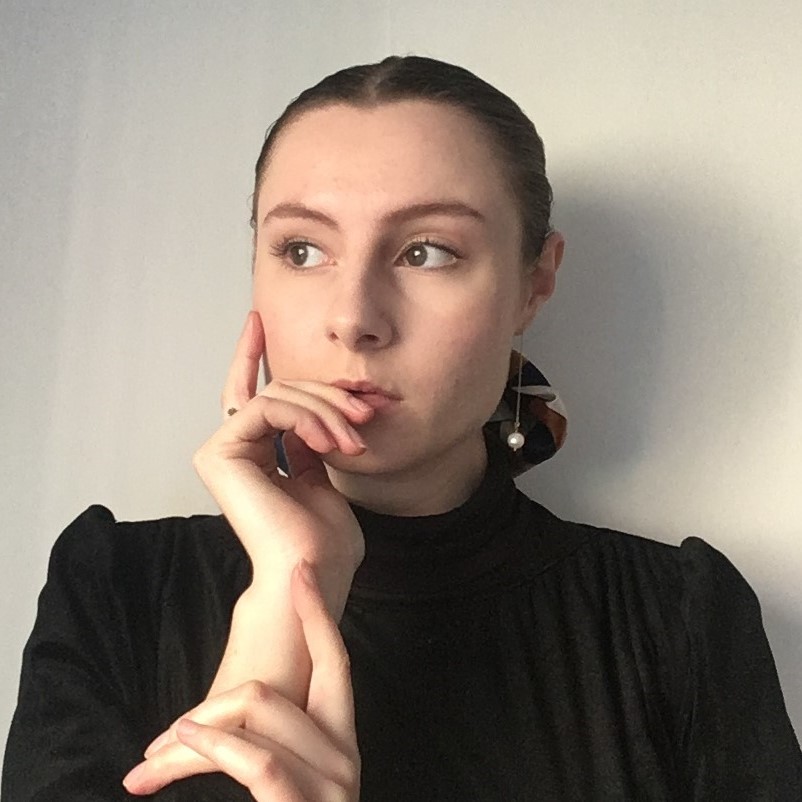
Anne is a PhD student working on a WRoCAH Collaborative Doctoral Award with the Peak District National Park authority. She works in environmental aesthetics; her current research focuses on aesthetic character of landscape and landscape change, aiming to develop a theoretical framework to monitor and communicate landscape change.

Nikhil’s research focuses on utilitarianism and socialism, aiming to bring the two traditions
together in a way that sheds light on contemporary social issues and fundamental ethical
questions.
Affiliated Members
Ed is mainly interested in epistemology and the philosophy of mind. His research is focused on giving a philosophical account of worry, specifically in terms of the extent to which it can be rational or irrational, and the implications this may have for our understanding of mental action and agency.
Lijiaozi looks at concepts and experiences of health, disease and “sub-health”, the grey area between disease and health. She combines conceptual analysis with ethnographic research, in exploring how sub-health is being made sense of.
Matthew is an Interdisciplinary Research Fellow at the Centre for Biomedicine, Self, and Society, University of Edinburgh. They are working on the contemporary crisis in trans healthcare and politics in the UK, and recently published a book on the metaphysics of gender with Bloomsbury, What Gender Should Be.

Jane works in philosophy of education. She is interested in the aims of education, the curriculum and the place of philosophy in schools. She is also interested in the nature and value of philosophy. Her thesis presents an argument for teaching philosophy in schools.

Isela works on Feminism, Philosophy of Science, and Philosophy of Biology. Their PhD focuses on the role of values in science, with a particular focus on biological accounts of sexual orientation.

Richard’s research is on the effects that psychiatric diagnoses have on their recipients. Specifically, this concerns the manner in which such medicalised diagnoses impact on an individual’s self-narrative and how this may lead to experiences of epistemic injustice
Angie is Professor Emerita of the Public Understanding of Philosophy. She focuses on ethics, political theory and ancient philosophy, appearing in the media to discuss issues like democracy, refugees and philosophy in schools. She regularly works with HM Government, the NHS, and the World Economic Forum, and is on the Advisory Board of Plato’s Academy Centre.

Jingbo Hu is a postdoctoral researcher at Fudan University, China. He has recently published work on reasons-responsive conceptions of responsibility in the Journal of the American Philosophical Association.

Tareeq’s main research interests are in the philosophy of rap, social philosophy and applied philosophy. His thesis explores the fairness of popular and pervasive critiques of rap music.
Charlotte currently works as a political researcher at Bryant Research. Her work has focused on ethical and socio-political dimensions of meat consumption, and moral harm and injury, worker alienation, speciesism, and institutional change within oppressive and unjust systems. She has interests in race equality and decolonization, criminal justice, and agricultural systems.

Anna is interested in political and feminist philosophy of language. Their research mainly focuses on conversational silence and trans issues surrounding speech. They are also interested in social and political epistemology and philosophy of language more generally. They are currently a lecturer in Philosophy at the University of Cardiff.

Will is currently a Research Associate at Bristol on the project ‘MetaScience’, which asks ‘what (if anything) unifies the sciences?’ Most of Will’s research is at the intersection of metaphysics and the philosophy of biology, looking at questions such as ‘What is an organism?’, ‘What is a human person?’ and ‘What is death?’.

Maria is a postdoctoral researcher at the Institute for Philosophical Research at UNAM. Maria’s current research focuses on issues related to procreative ethics, in particular examining the normative meaning of procreation in the context of reproductive technologies and surrogacy.

Barney works on the Danish philosopher Søren Kierkegaard. He is concerned with developing an account of Kierkegaard’s concept of busyness, as both a personal-religious and a socio-political critique.
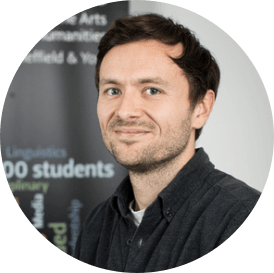
Henry is interested in epistemic vice and, in particular, arrogance. His thesis will explore how arrogance manifests in groups and the varieties of harm this supports.
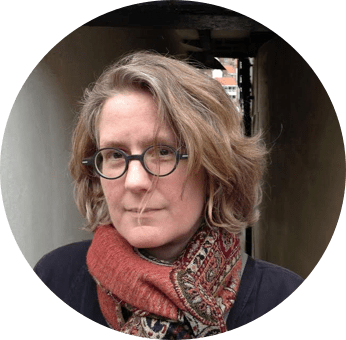
Jenny’s current research is mainly in two areas: ways to improve workplaces (especially academia) to make them more welcoming for members of marginalised groups; and the pragmatics of sexism and racism in political speech.

Carien works on the social epistemology and ethics of climate change. Her current focus is especially on the intersection between the ethics and epistemology of climate change conspiracy theories. Her other research interests include meaning in life and the apocalypse.

Rosa’s main research interests are in feminism and philosophy of sex. Their thesis argues that objectificaiton is not necessarily harmful, and that pornography is not uniquely or distinctly harmful insofar as it objectifies. Rosa is currently interested in the way our work impacts the world and the pernicious side-effects feminist research can have.
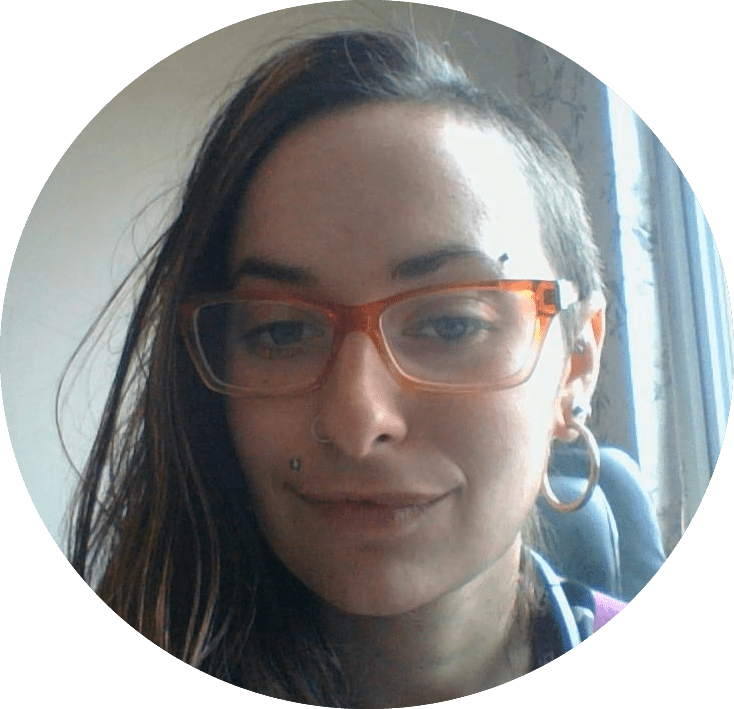
Sabina’s research is about anomalous experiences (voices/ visions, often described as hallucinations) and how the way that they are framed may affect the very experiences themselves. Their research weaves together work in phenomenology with critical psychiatry and the contemporary mad movement.
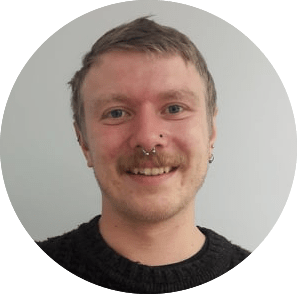
Elliott studies the ethics and global justice of climate geo-engineering. He is particularly interested in human/nature dichotomy and the role it plays in thinking about our responsibilities in a time of catastrophic climate change.
 Centre for Engaged Philosophy